
Practical steps to get your wet underfloor heating warming rooms properly again, and know when it is time to call in an expert.
Blog
Underfloor Heating Not Heating Up? Common Causes and Fixes
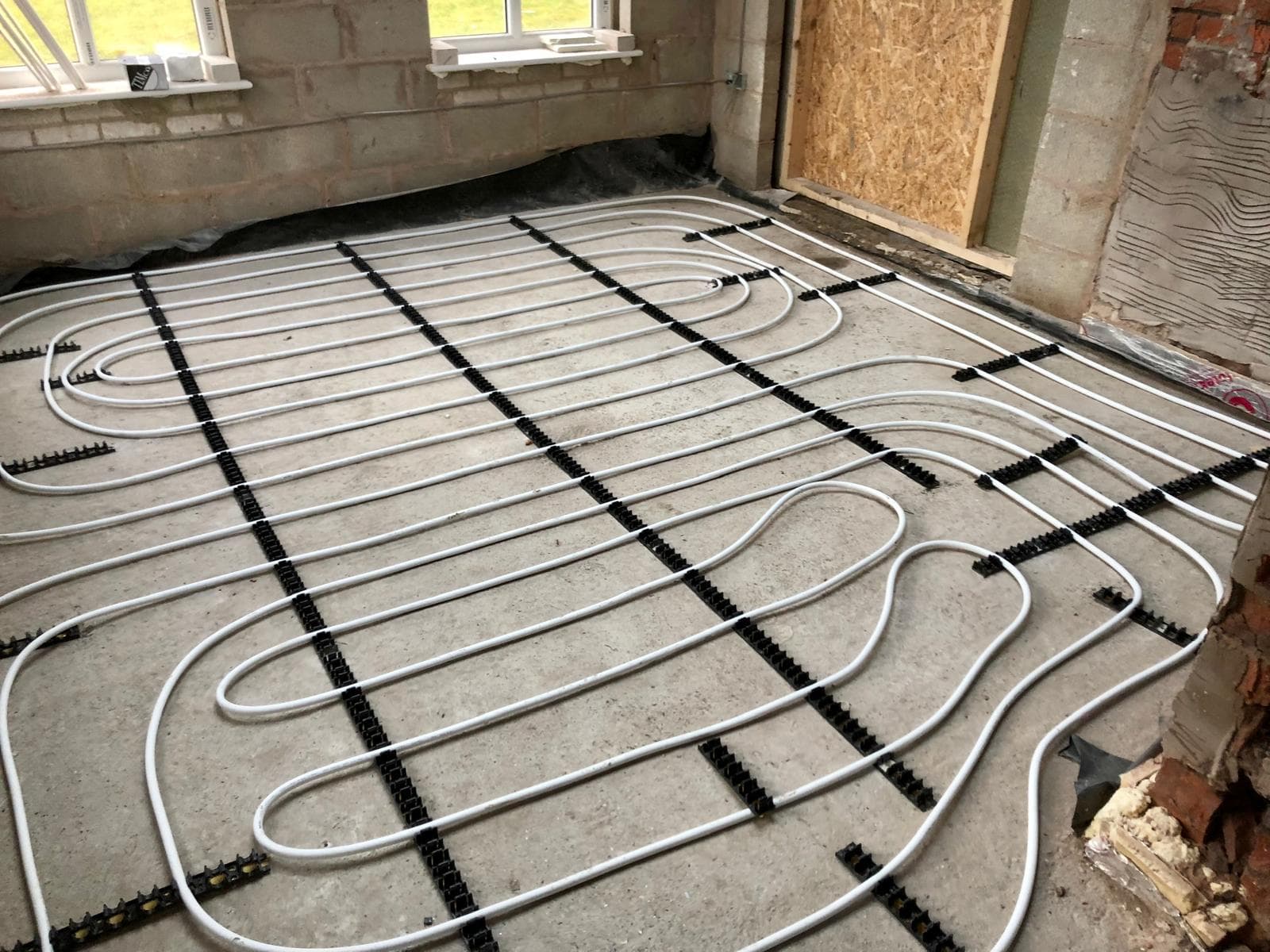
If your underfloor heating is not heating up as it should, it can be frustrating, especially on cold days. The good news is that many issues have simple causes that you can safely check yourself before calling an engineer.
Wet underfloor heating vs electric underfloor heating
This guide focuses on wet underfloor heating systems, where warm water circulates through plastic pipes in the floor. These systems are usually fed from your boiler or heat pump and controlled through a manifold with multiple loops.
Electric underfloor heating uses heating cables or mats powered by electricity, with no water or manifold. If you have electric underfloor heating and it stops working, there are fewer homeowner checks to do and you should normally contact an electrician or heating engineer.
Common symptoms when underfloor heating is not heating properly
Most wet underfloor heating problems show up in similar ways. Noticing the exact symptom can help narrow down the cause.
Floor stays completely cold even though the heating is “on”
Some rooms warm up, others stay cold or have cold patches
System takes a very long time to warm, or never reaches the set temperature
Heating keeps turning off and on, or needs regular resetting
Remember that underfloor heating is slower to respond than radiators. It can take several hours to feel a clear change, especially from a cold start.
Things to check before calling an engineer
There are a few simple checks you can carry out without tools or taking anything apart. These can often reveal issues with controls or basic settings.
Check thermostat and room controls
Make sure the room thermostat for the affected area is actually calling for heat. Increase the set temperature by a few degrees and listen for a click or check for an indicator on the screen.
If your thermostat is battery powered, replace the batteries and check the display is clear. Confirm the time, date and schedule are correct, and that the heating is not set to “holiday”, “off” or a very low setback temperature.
Confirm the boiler and system pressure
Your underfloor heating will not warm up if the boiler is off or in fault. Check that the boiler display is on, there are no obvious fault codes, and the heating mode is active.
Next, look at the system pressure gauge on or near the boiler. Most wet systems run between about 1.0 and 1.5 bar when cold. If the pressure is very low or at zero, do not keep resetting the boiler. You may need an engineer to find the cause or top up safely if you are unsure.
Look at the manifold and flow indicators
The manifold is the metal distribution bar, usually in an airing cupboard, utility room or under the stairs, where all the underfloor heating pipes connect. It normally has:
Flow meters (clear tubes with a float) showing water movement and flow rate
Actuators (small motorised heads) that open and close loops
A circulation pump, often close by
Sometimes a mixing valve to blend hot and cooler water
With the heating on, check if the clear flow meters show movement on the loops serving cold rooms. If a loop float is at zero when the room stat is calling for heat, that circuit is not getting flow and an engineer will need to investigate.
Main causes of underfloor heating not heating up
If your basic checks look normal but the floor is still not warming correctly, one of these common issues may be to blame.
Actuators stuck or not opening fully
Actuators on the manifold are controlled by the room thermostats. If an actuator head is stuck shut or has failed, the loop it controls will stay cold even though the thermostat is asking for heat.
Do not try to remove or dismantle actuators yourself. Instead, note which loop seems affected and point this out to your heating engineer to speed up diagnosis.
Air trapped in the underfloor loops
Air can build up in the pipework, especially after recent work on the system. This can cause gurgling noises, cold patches or entire cold loops.
Bleeding and flushing underfloor circuits is a job for an engineer with the right valves and hoses, as it often involves connecting to the manifold and using higher flow to clear each loop.
Low system pressure and leaks
Consistently low pressure suggests there may be a leak somewhere in the heating system or a problem with the expansion vessel. If you can see any water dripping from the manifold valves or joints, turn off the heating and call an engineer straight away.
Never ignore regular pressure loss. Topping up repeatedly can hide a leak and may lead to further damage.
Incorrect manifold flow settings
The small adjustment rings on the flow meters control how much water each loop receives. If some have been closed down, those circuits will heat slowly or stay cool while others are hot.
Balancing these flows so each room gets the right amount of warm water is a skilled task. An engineer can reset and balance the manifold so the whole floor heats evenly.
Pump or mixing valve issues
If the manifold pump is not running, water will not circulate through the floor, even if the boiler is hot. No vibration or sound from the pump while there is a demand for heat can point to a fault.
Many systems also have a mixing valve that blends hotter boiler water with cooler return water to protect floors. If this valve is stuck or set too low, the floor temperature may be lukewarm at best.
Sensor and thermostat faults
Some underfloor heating controls use a floor temperature sensor as well as a room sensor. If a sensor is faulty or wired incorrectly, the thermostat may think the floor is hot and switch off early.
Random switching, wildly inaccurate temperatures or repeated resets are all clues that a control or sensor problem is present.
When to call a heating engineer
Although basic checks are safe for most homeowners, some situations need professional attention straight away. Contact an engineer if you notice:
Leaks or drips anywhere around the manifold, pump or pipe connections. This can damage surrounding areas and quickly drop system pressure.
Loud or unusual pump noise, grinding, rattling or a pump that is too hot to touch. Persistent cold loops, even after controls and schedules have been checked, usually indicate air, blockage or balancing issues.
Any boiler or control fault codes, or if you find yourself resetting the boiler or controls more than once. Never attempt to open a boiler case or interfere with gas components unless you are Gas Safe registered.
Best practice for running wet underfloor heating
Underfloor heating works best at low, steady temperatures rather than frequent on and off cycles. Try to set a consistent temperature and allow the system to maintain it, instead of big daily setbacks.
Because of the thermal mass of the floor, allow plenty of time for changes to take effect. Think in hours, not minutes, especially when starting from cold or after holidays.
Use programmable thermostats to set gentle overnight setbacks rather than switching the system off completely. This can reduce strain on components and help avoid callbacks or repeated adjustments.
Need help with your underfloor heating?
If your underfloor heating is still underperforming after completing the basic checks, it is time for a professional diagnostic visit. A qualified engineer can test actuators, pumps, mixing valves and sensors, and balance your manifold so every room heats evenly.
For expert help with wet underfloor heating, or if your system needs upgrading alongside a new boiler installation, contact Welm Facilities Maintenance Ltd on 07854896435. Our team can get to the root of the problem and advise on the best way to keep your home comfortably warm.
Other Articles
More From Our Blog


37 Five-Star Reviews

“Fantastic 5 star, flawless service and even better, great value too.
I d highly recommend this company”— Google
REVIEWS
What Our Customers Say
“Fantastic 5 star, flawless service and even better, great value too.
I d highly recommend this company”
 Google2026-05-22
“Replaced plug in sink and fixed leak under the sink. Great job
”
— Mark Watson
Google2026-05-07“Spot on service
Reliable and professional”
— Anthony McLoughlin
Google2026-04-28